
Remembering Dr. Martin Luther King Jr.
Language
Reading Level
Listen to Article
Alignment
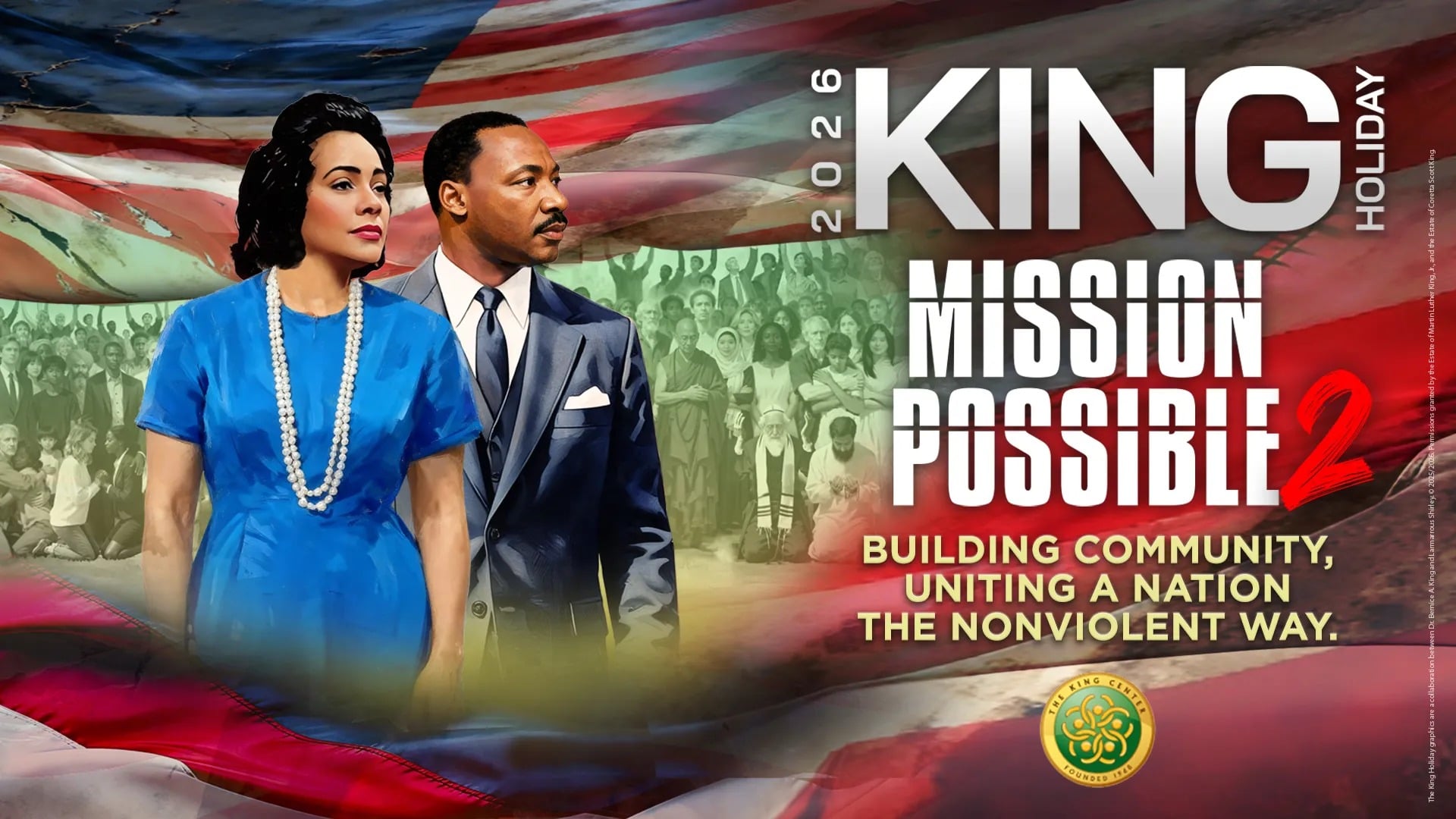
Martin Luther King Jr. Day honors the life and legacy of Dr. Martin Luther King Jr. (MLK), a leader of the American civil rights movement. Celebrated every year on the third Monday of January, it is also a national day of service, encouraging Americans to give back to their communities. In 2026, the holiday will be observed on January 19.
MLK was born in Atlanta, Georgia, on January 15, 1929. He grew up in a society where racial discrimination was common. Black and White people ate at separate restaurants and attended different schools. They even sat apart on buses and trains.
It was not until he went to Connecticut in 1944 that MLK realized life was different in the Northern states. In a letter to his father, the then 15-year-old wrote, "After we passed Washington, there was no discrimination at all. The white people here are very nice. We go to any place we want to and sit anywhere we want to."
It took another decade for MLK to begin his fight for equality. But the seed had been planted.
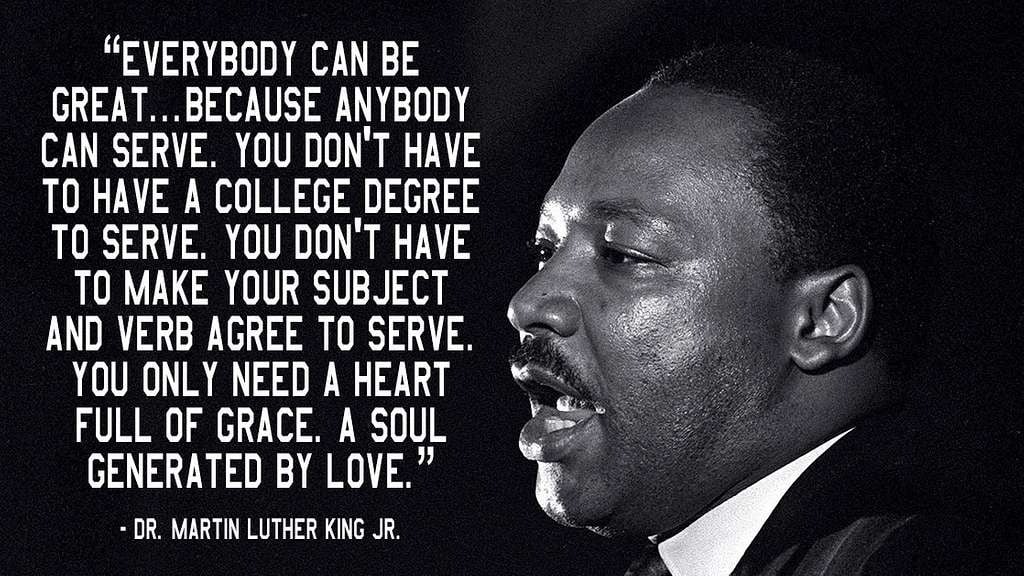
MLK’s journey into activism began in 1954, after he became a pastor at a church in Montgomery, Alabama. The following year, Rosa Parks, a local civil rights activist, was arrested for refusing to give up her bus seat to a White passenger. In response to this injustice, MLK called on the city's African American residents to boycott the buses. Despite having no other means of transport, they agreed. The boycott lasted for an entire year and also spread to other Southern states. In 1956, the Supreme Court ruled that segregation on public transportation was illegal. This was MLK’s first major victory in the civil rights movement.
Encouraged by his success, MLK traveled to other states to urge Americans to protest segregation through peaceful sit-ins and marches. His speeches inspired millions of people to take action. His most memorable speech was entitled "I Have a Dream."
The events leading up to this iconic speech began in June 1963. This is when President John F. Kennedy asked Congress to pass a law ending segregation in public places. To support this effort and push for greater equality, civil rights leaders organized a peaceful rally in Washington, DC. On August 28, 1963, 250,000 people gathered in the nation's capital for what became known as the "March on Washington." That day, MLK stood on the steps of the Lincoln Memorial and shared his dream of a country where everyone had equal rights.

MLK’s first major legal win was the Civil Rights Act of 1964. It ended segregation in public places and banned employment discrimination based on race, color, gender, or national origin. The Voting Rights Act of 1965 built on this progress by making it illegal to use race or color to restrict people from voting.
His final major victory was the Fair Housing Act of 1968. It prohibited racial discrimination in selling, renting, or financing property. Unfortunately, MLK did not live to see a segregation-free America. He was assassinated in Memphis, Tennessee, on April 4, 1968, just seven days before that bill became law.
MLK’s courage and efforts have allowed Americans to pursue their dreams. Now, it is up to us to uphold his legacy by fighting societal injustices and helping those in need. As you celebrate the holiday on January 19, reflect on how you can make a difference.
Happy Martin Luther King Jr. Day!
Resources: Kingcenter.org, Wikipedia.org, History.com
