
300-Year-Old Shipwreck Wood Gets A Fashion Makeover
Language
Reading Level
Listen to Article
Alignment
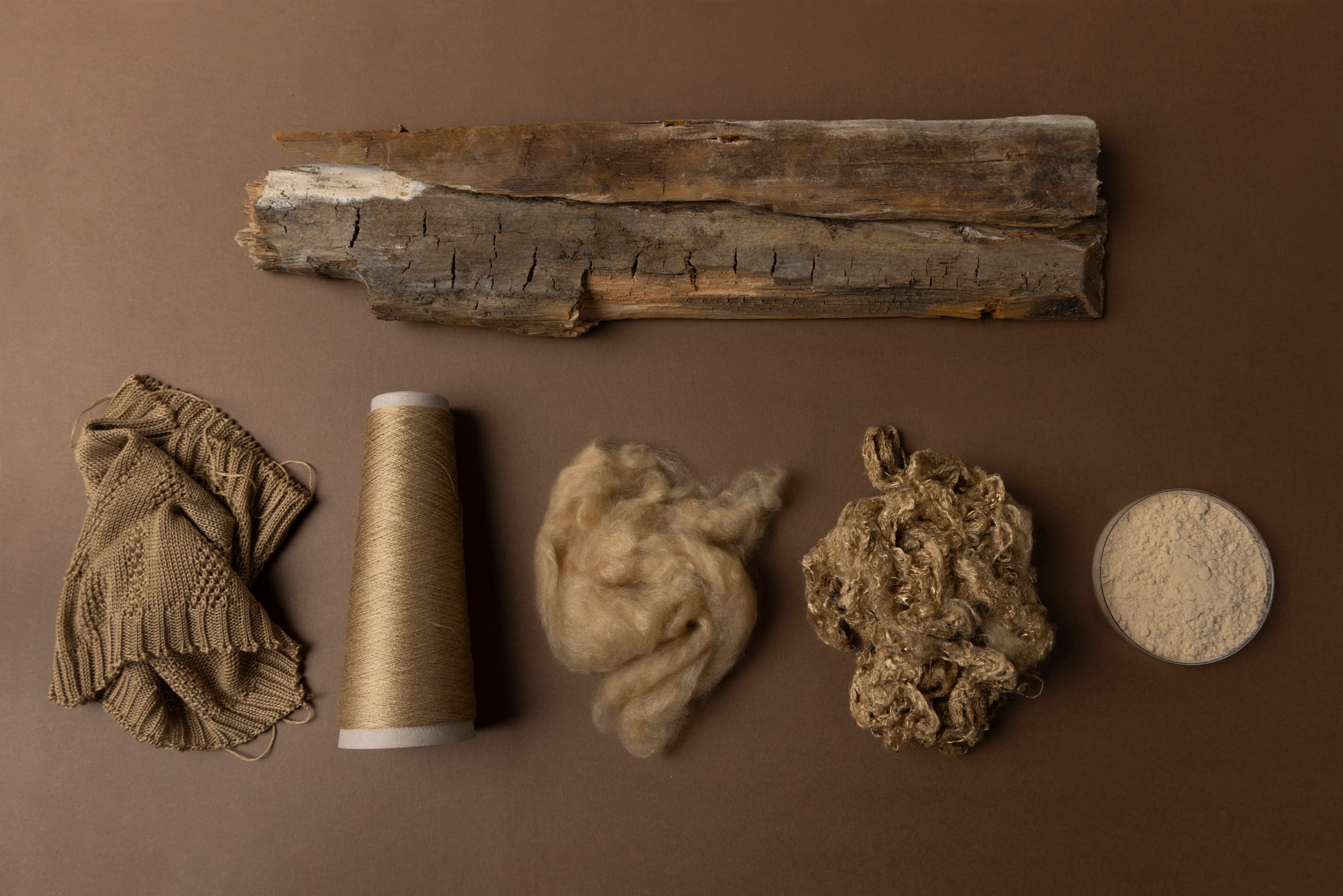
Shipwrecks are usually studied for their history, not for what they can become. But a team of scientists and designers in Finland recently gave 300-year-old shipwreck wood a surprising new purpose. They turned it into two elegant, floor-length dresses.
The wood came from the "Hahtiperä wreck," a cargo vessel dating back to the 1600s. The remains of the ship were found under a hotel parking lot in Oulu, Finland, during a 2019 renovation. Archeologists from the Finnish Heritage Agency successfully preserved the ship's main hull. However, some of the wet wood was too damaged to be saved. Instead of throwing it away, the agency asked Aalto University to give the historic wood a second life.
The researchers at the university were excited to help. They had previously created sustainable textile fibers from materials like paper and cardboard. The team was eager to test the same eco-friendly process, called the "Ioncell method," on wood.
The scientists first cut the wood into small pieces. Then, they shaved off the outer layers to remove centuries of dirt. The clean, inner wood was shredded into pulp and combined with a non-toxic salt-based solvent. The resulting mixture was spun into strong, smooth yarn.
Wood contains cellulose, the same natural material also found in cotton and linen. Because of this, the new wood fiber was very strong. In fact, the scientists said it felt like silk and was stronger than cotton. To honor the shipwreck's history, the team did not use dye or bleach. Instead, the yarn kept its natural tan-brown color and slight shine from the old wood.
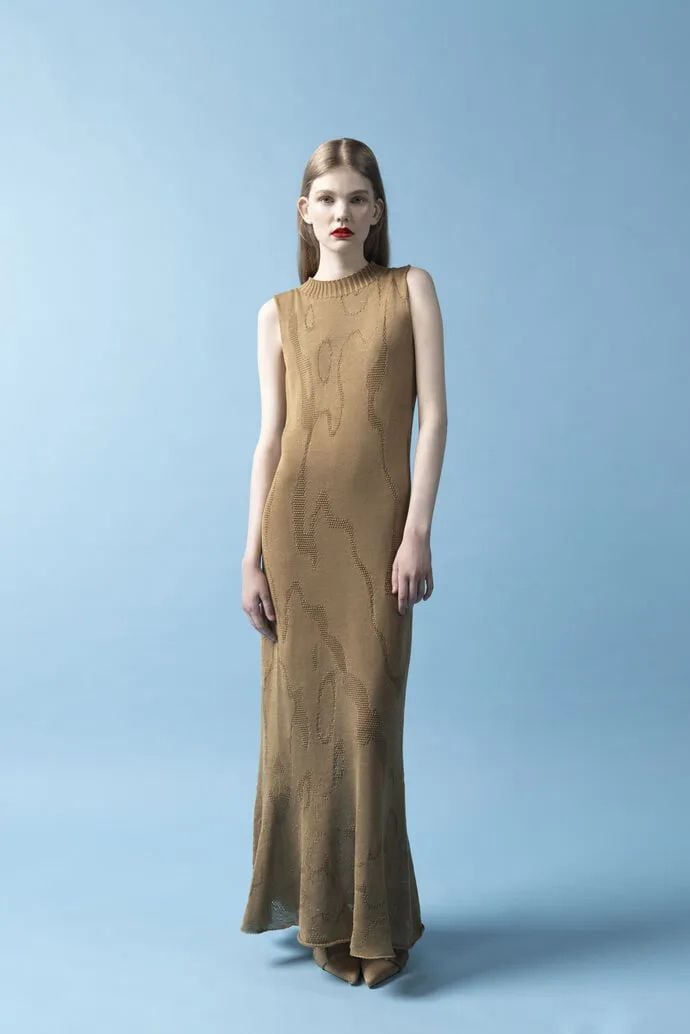
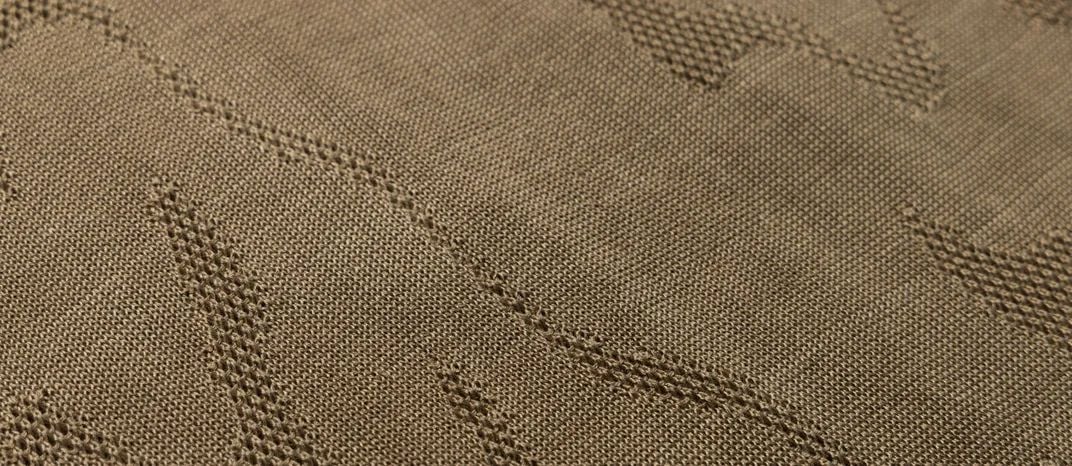
Once ready, textile designer Anna-Mari Leppisaari took on the challenge of turning the yarn into clothing. She began by creating a unique pattern inspired by wood grain and computer pixels. The pattern was fed into an industrial knitting machine, which transformed the yarn into two identical, elegant dresses. Each dress was knitted as a single, seamless piece, creating no waste.
One of the finished dresses is on display at the "Tomorrow's Wardrobe" exhibition at the Oulu Art Museum through September 2026. The second dress will be shown at Aalto University's "Designs for a Cooler Planet" exhibition from September to October 2026. Together, they show how old materials can be reused in new ways while sharing the story of the historic shipwreck.
"If something this beautiful can be made from centuries-old wood, why do we keep throwing away materials that could still be circulated and reused?" said Aalto University researcher Pirjo Kääriäinen.
Resources: Smithsonianmag.com, Dezeen.com, aalto.fi
