
Spain's Sagrada Família Sets Record As World's Tallest Church
Language
Reading Level
Listen to Article
Alignment
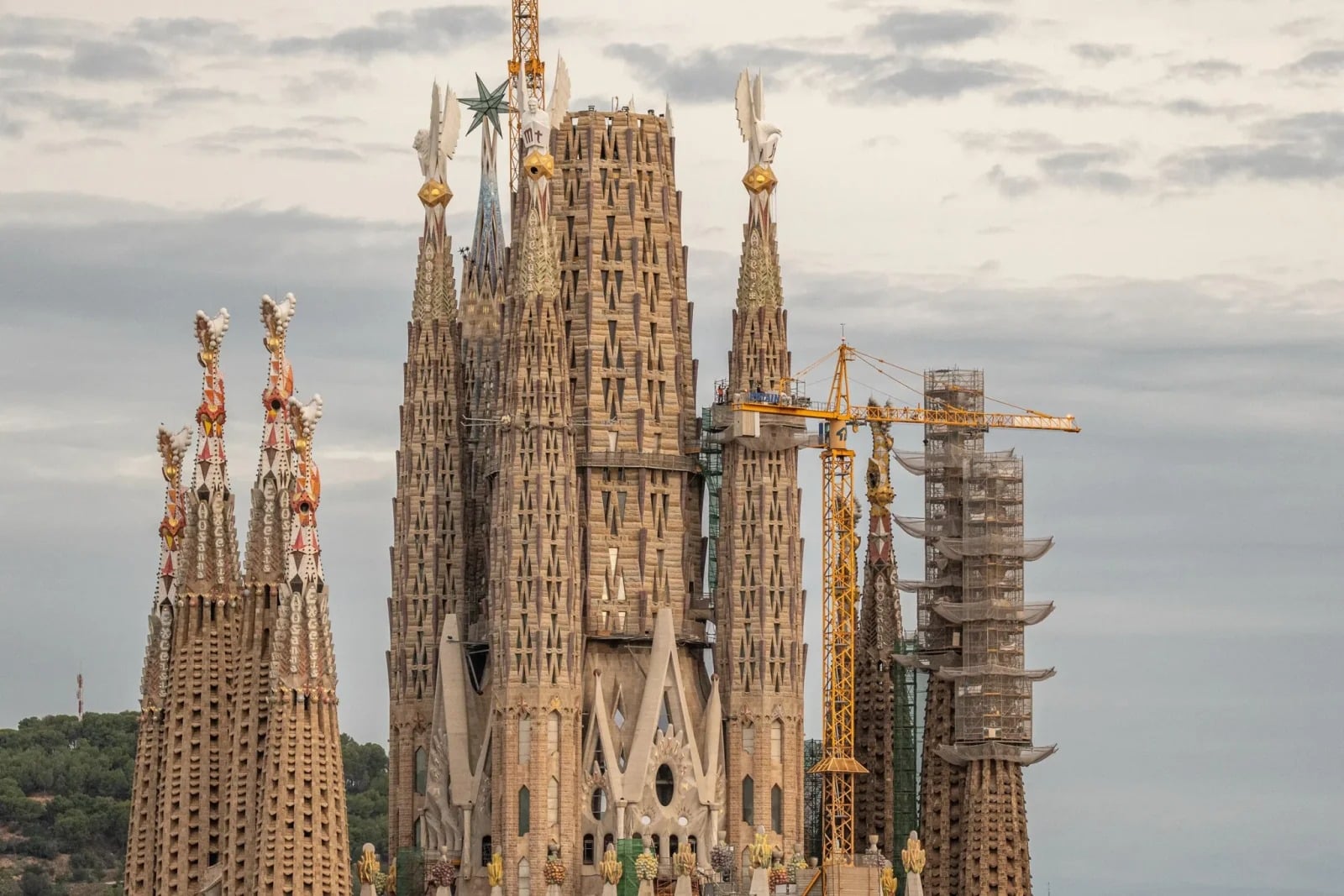
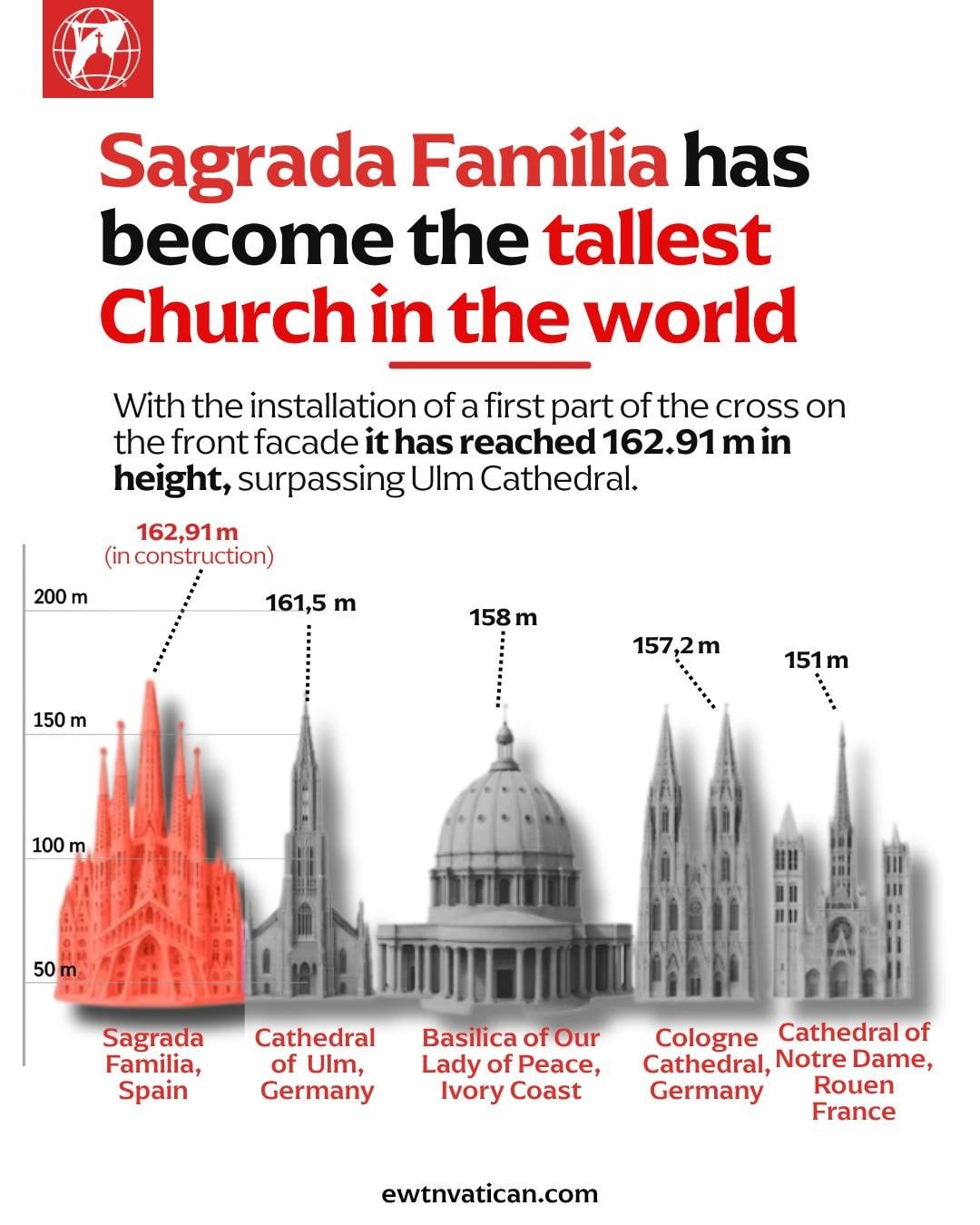
The Basílica de la Sagrada Família in Barcelona, Spain, reached a historic milestone on October 30, 2025. With the placement of the first part of a cross atop the Tower of Jesus Christ, it became the world’s tallest church. Rising 534 feet (162.91 m), it now surpasses Germany’s Ulm Minster, which had held the record since 1890. Despite this achievement, the structure, under construction for over 140 years, is far from complete.
History
Work on the Sagrada Família began in 1882 under the direction of architect Francisco de Paula del Villar, who envisioned a traditional design. However, he resigned a year later, and the project was handed to a then little-known architect named Antoni Gaudí.
Gaudí replaced the original plan with a bold new vision inspired by nature. He designed 18 soaring spires and covered the exterior with stone that appeared to drip like sand. Animals, including turtles and lizards, were carved into the base.
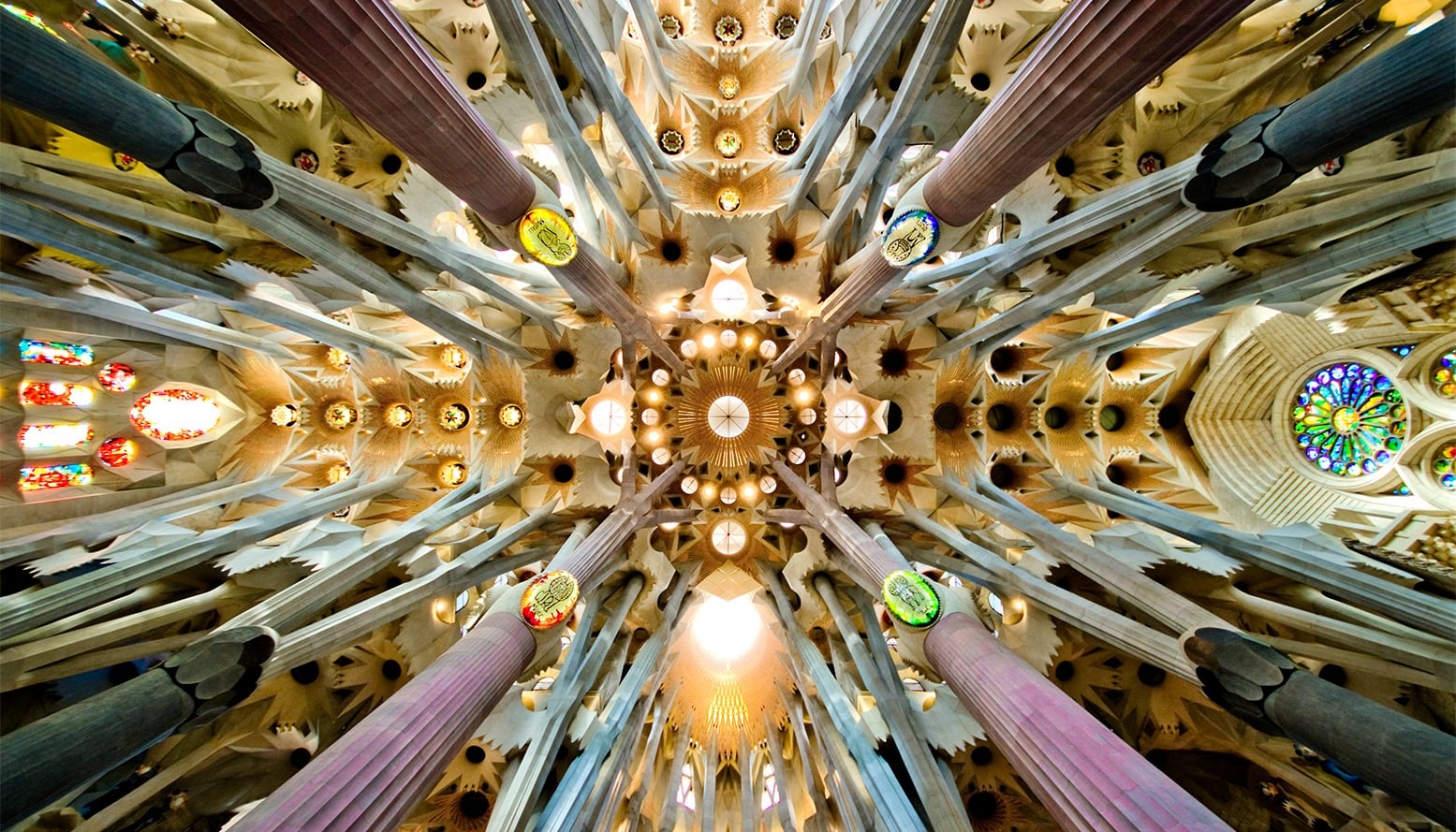
Inside, the church resembled a "stone forest." Towering columns branched outward like trees. They supported a ceiling filled with carved flowers and star-shaped patterns. Light filtered through the stained-glass windows, shifting from cool blue in the morning to warm orange at sunset.
Challenges
However, construction was slow, in part because the church is an Expiatory Temple. This means it cannot use government money or bank loans, and has to be funded through private donations. In the early days, Gaudí sometimes had to ask neighbors for spare change just to keep the workers paid. When he died in 1926 after being struck by a tram, only about a quarter of the church was complete.
The project also suffered a major setback during the Spanish Civil War in 1936, when many of Gaudí's original 3D models and notes were destroyed in a fire. With few detailed drawings left, architects spent decades reconstructing his plans using modern technology.
Construction finally picked up speed in the late 1990s as the church became one of Spain’s most visited landmarks. Today, it is largely paid for by the millions of tourists who visit the unfinished masterpiece each year.
What's next
The workers are now adding the rest of the cross to the Tower of Jesus Christ. This will increase the church's height to about 566 feet (172.5 m). The tower is expected to be completed by June 10, 2026, the 100th anniversary of Gaudí’s death. However, other decorative elements, including a grand entrance staircase, will not be finished until 2034. If that timeline holds, the total construction time for the church will reach 152 years. That may seem like a long time. But it is much shorter than the completion of most medieval cathedrals, which typically took over 500 years.
Resources: Wikipedia.org, Sagradafamilia.org, theguardian.com
