
Meet Norman Smith, The Owl Whisperer Of Logan Airport
Language
Reading Level
Listen to Article
Alignment
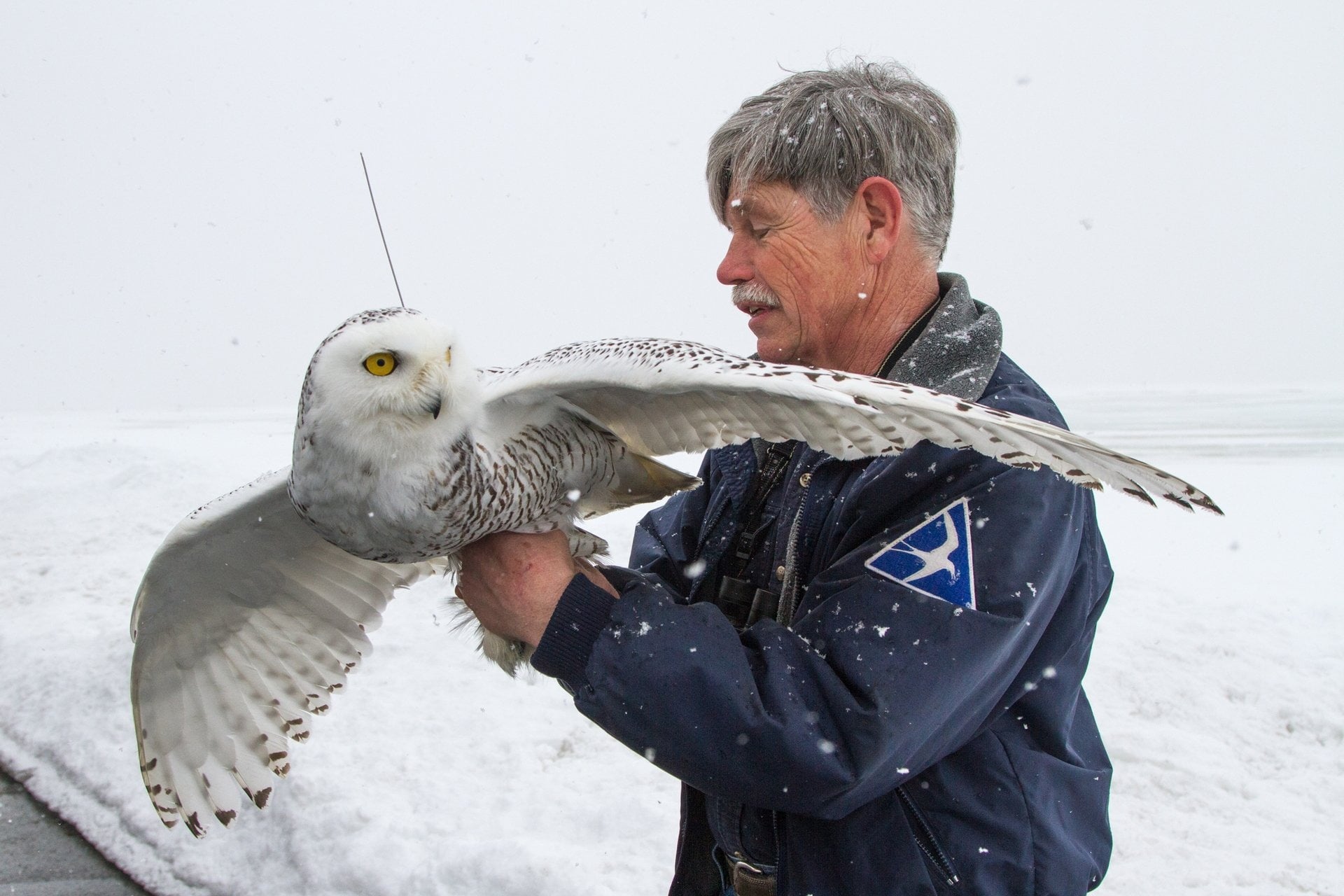
Each winter, Logan Airport in Boston, Massachusetts, hosts more than just airplanes. Snowy owls also make a surprising stop here. This rare phenomenon has long delighted travelers and birdwatchers alike.
Snowy owls are among the largest owl species in the world. The birds can grow up to 27 inches (68 cm) long and have a wingspan of up to 5.5 feet (1.67 m). They are also the only owls with mainly white plumage. These birds spend most of the year in the Arctic tundra. But during winter, many migrate south in search of food and milder conditions. As they travel, the owls seek landscapes that resemble their Arctic home. The land around Logan Airport is ideal. It is low and flat, with short, scruffy grasses and an abundance of small mammals and birds to hunt. The owls usually arrive in early November and return north in April for the breeding season.
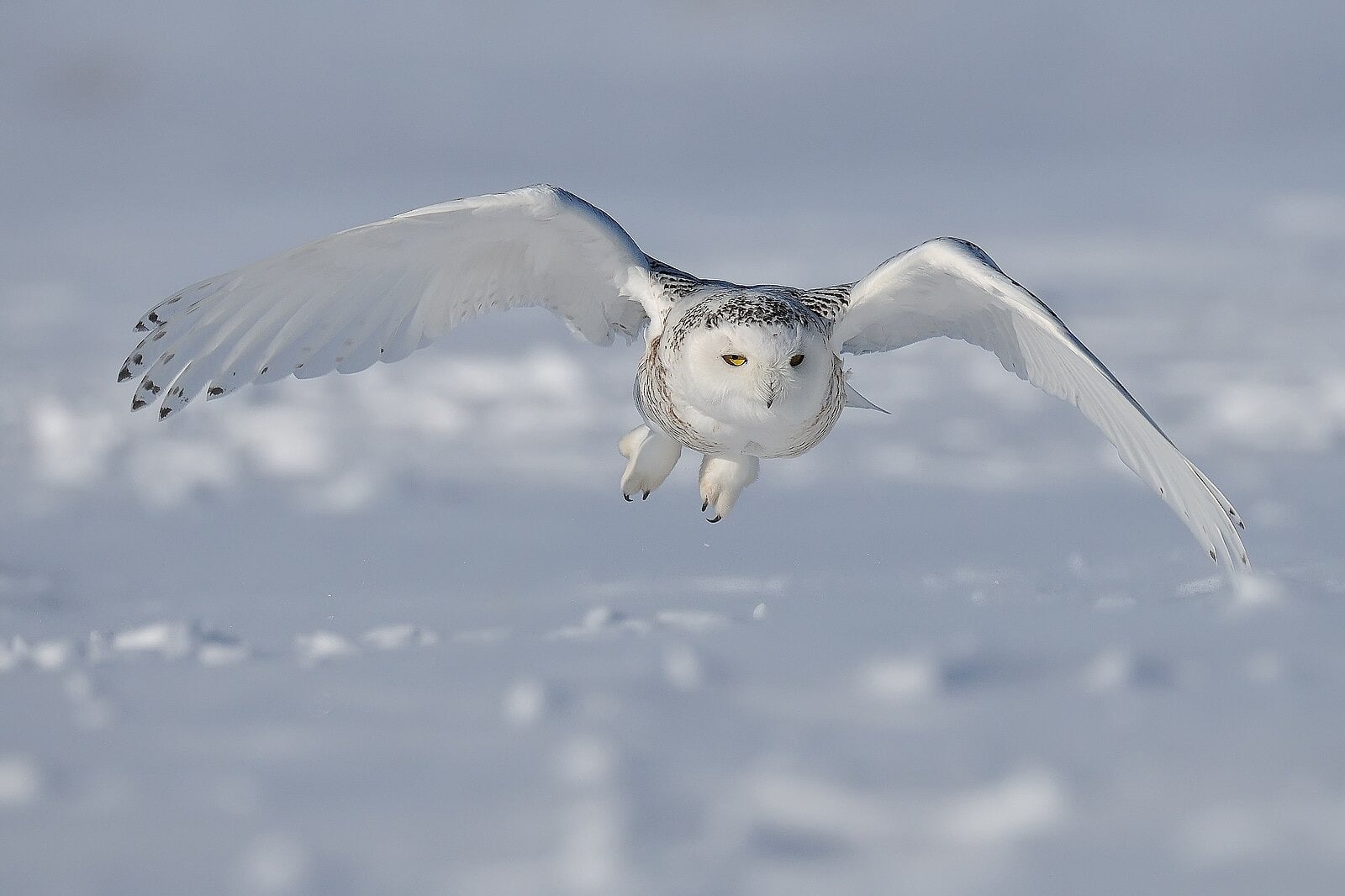
"It resembles the Arctic tundra," explains Norman Smith, a raptor specialist for Mass Audubon. "The open terrain lets the owls hunt efficiently, and there’s plenty of food available."
The area around the airport may be a perfect winter home for the owls. But it poses serious risks for both the planes and birds. As they fly, the owls could collide with airplanes. Even worse, they could get caught in an engine.
Fortunately, Smith — affectionately known as the “Owl Man of Logan Airport" — has spent decades keeping the birds and airport operations safe. Since 1981, he has humanely captured and relocated over 900 owls to safer habitats. Injured birds that cannot be released find permanent homes at Mass Audubon. Here, visitors can see them up close and learn about the species.
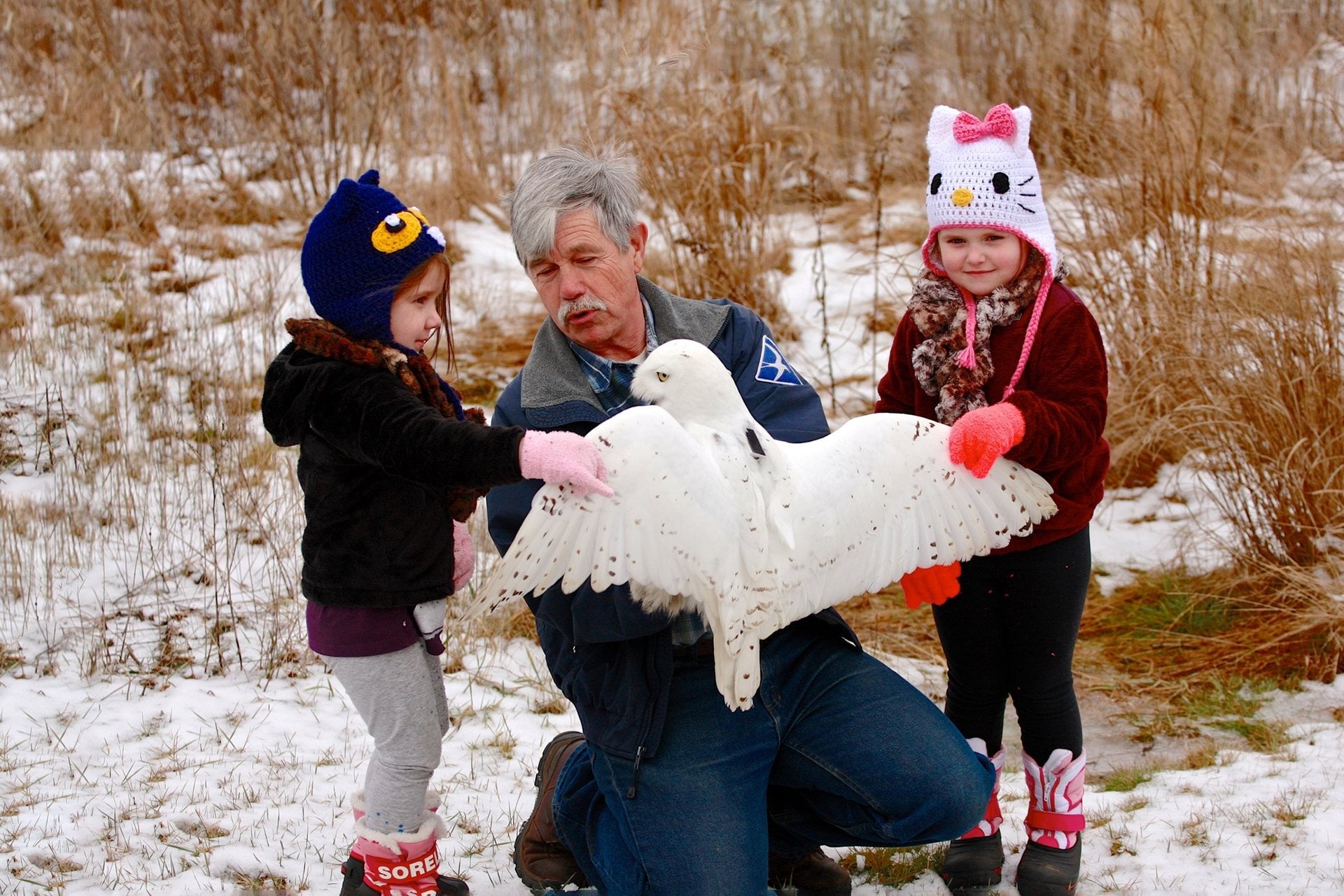
Smith’s work goes beyond rescue. Since 1997, he has attached tiny satellite transmitters to the owls he relocates. These devices provide valuable data on migration routes, travel speeds, and wintering grounds. The information collected has greatly improved scientists' understanding of snowy owl behavior.
His efforts have inspired a short documentary, titled The Snowy Owls of Logan Airport. It highlights the challenges of protecting both birds and planes and shares stories of some of the owls Smith has saved. The film has brought wider attention to the importance of humane wildlife conservation.
Reflecting on his work, Smith said, "You wonder how many lives you’ve changed or inspired. Together, we can better understand, appreciate, and care for the world in which we live."
Resources: massaudubon.org, NPR.org
